In the rapidly evolving digital landscape, businesses are constantly seeking innovative ways to enhance customer interactions and streamline operations. One of the most transformative technologies in this domain is the use of AI avatars. These virtual assistants, powered by artificial intelligence, are redefining how businesses engage with their customers, offering personalized, efficient, and scalable interactions across various industries.
What Are AI Avatars?
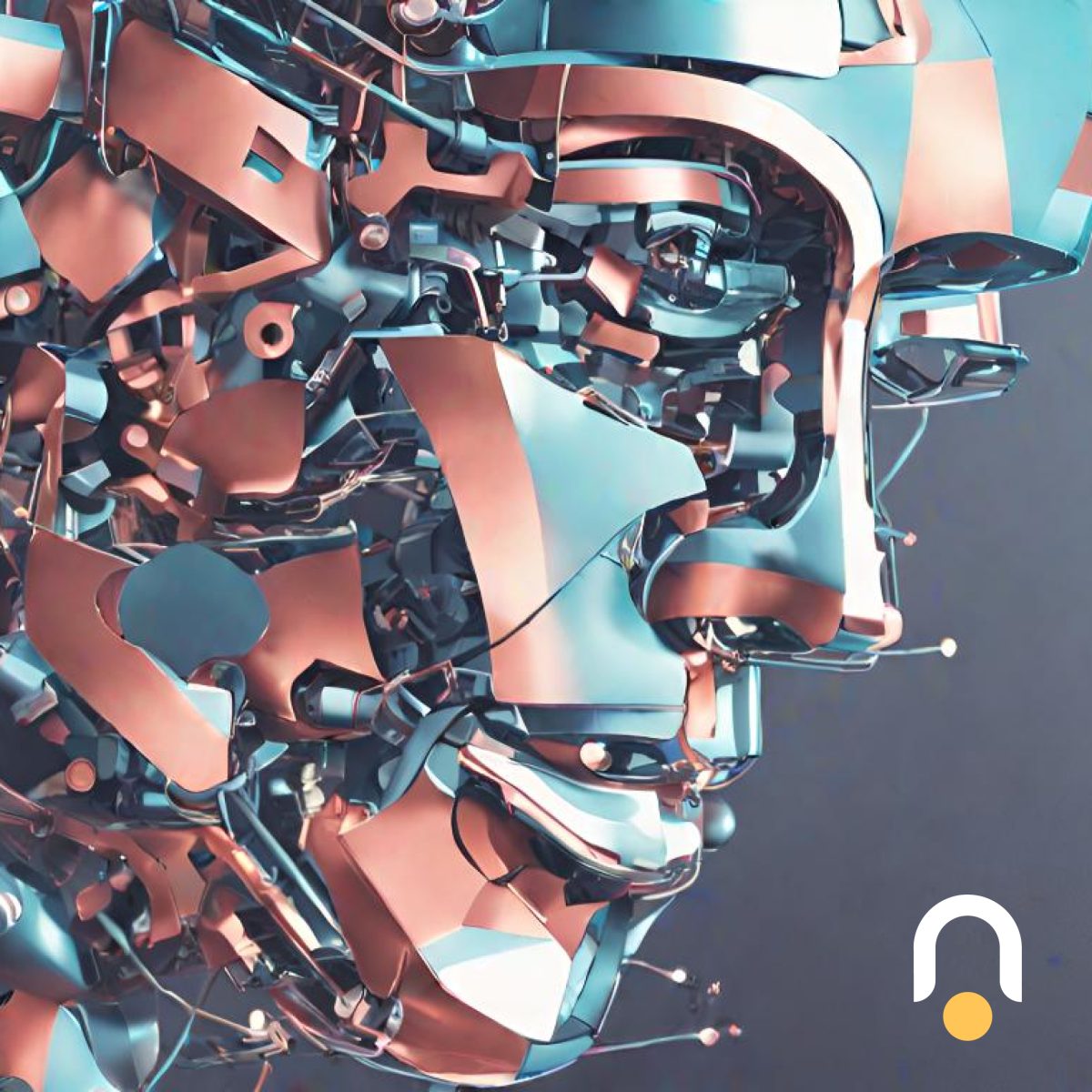
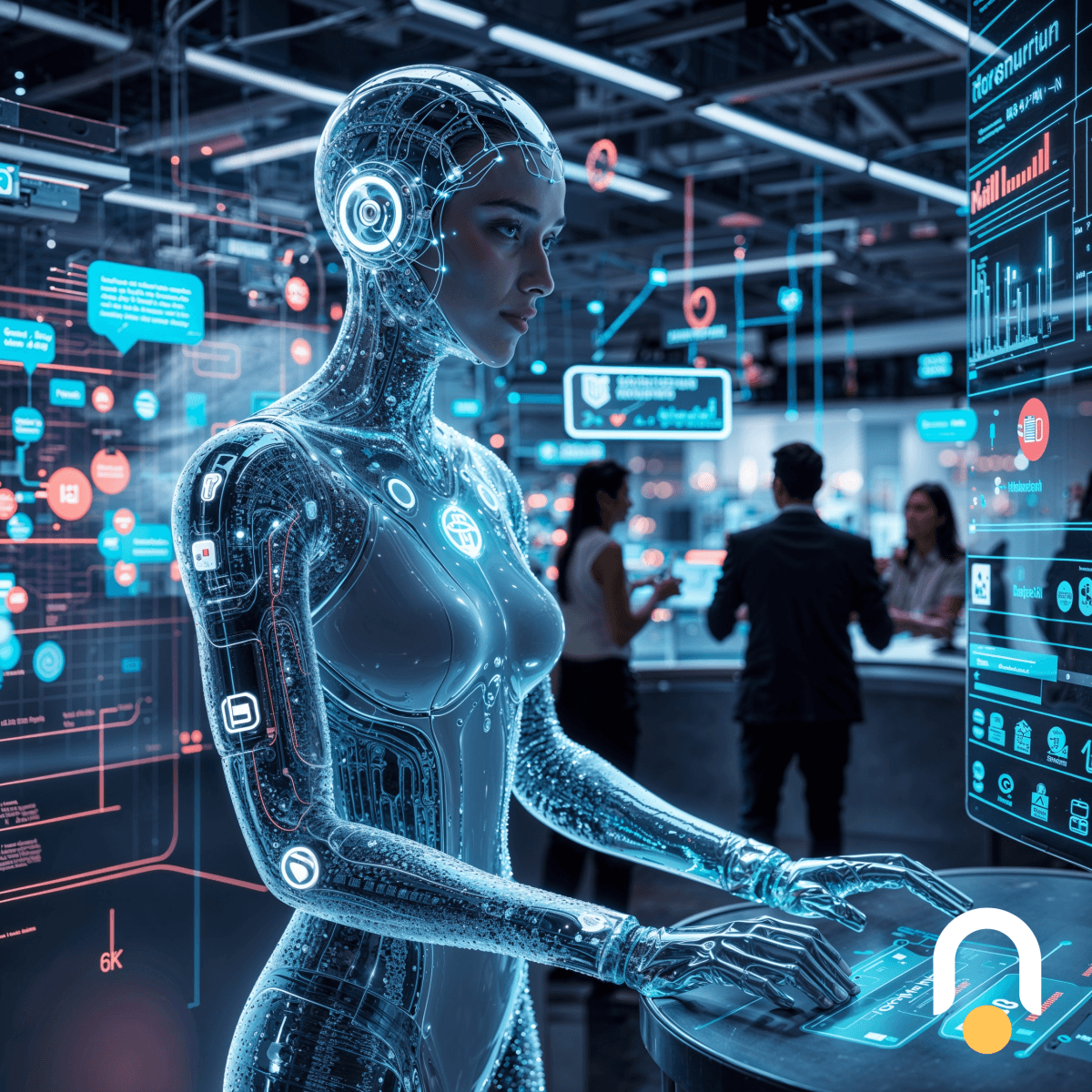
AI avatars are digital representations of virtual assistants that use natural language processing (NLP), machine learning (ML), and deep learning (DL) to simulate human-like conversations and actions. These avatars can be integrated into websites, mobile applications, and customer service platforms, providing real-time support, answering queries, and even assisting in transactions.
Enhancing Customer Engagement
AI avatars are revolutionizing customer engagement in multiple ways:
24/7 Availability: Unlike human representatives, AI avatars can operate round the clock, ensuring customers receive immediate assistance whenever needed.
Personalized Interactions: Leveraging AI-driven analytics, these avatars can tailor responses based on customer preferences, previous interactions, and behavioral patterns.
Seamless Omnichannel Support: AI avatars can be deployed across various digital touchpoints, including chatbots, social media platforms, and virtual reality (VR) environments, ensuring a cohesive brand experience.
Multilingual Capabilities: Businesses can break language barriers by integrating multilingual AI avatars, catering to a global customer base.
Cost Efficiency: By automating routine queries and transactions, companies can significantly reduce operational costs while improving response time and service quality.
Real-World Applications
Several industries are harnessing AI avatars to optimize customer interactions:
Retail & E-commerce: AI avatars assist customers in product selection, provide personalized recommendations, and manage customer queries.
Banking & Finance: Virtual assistants handle transactions, fraud detection, and financial advisory services, enhancing the overall banking experience.
Healthcare: AI-driven avatars help patients book appointments, access medical information, and even offer mental health support.
Hospitality & Travel: AI avatars facilitate bookings, itinerary planning, and customer service in multiple languages.
Education: Virtual tutors assist students with lessons, providing an interactive and engaging learning environment.
The Future of AI Avatars in Business
As AI technology advances, AI avatars will continue to become more sophisticated, bridging the gap between human and digital interactions. Businesses that embrace this technology stand to gain a competitive edge by offering superior customer experiences, improving operational efficiency, and staying ahead in the digital era.
Conclusion
AI avatars are no longer a futuristic concept; they are a present-day reality transforming customer engagement across industries. By leveraging AI-powered virtual assistants, businesses can provide unparalleled support, enhance personalization, and create seamless customer journeys. As organizations continue to innovate, AI avatars will remain a crucial tool in shaping the future of digital business interactions.